


Dental crowns have a shape and color similar to natural teeth, which provides a natural appearance, helping customers have a bright, white smile that meets aesthetic standards and boosts their confidence in social interactions.


Book A Consultation

Aesthetic dental crowns are widely used in dentistry to fix various dental imperfections such as severe discoloration or large cracks in the teeth. There are many questions surrounding the solution of getting dental crowns, such as: Does it hurt to get crowns, what cases should be done, and how much does it cost? In the article below, let’s explore this cosmetic dental service with Elite Dental in more detail!
What is a ceramic crown, and when is it the right choice?
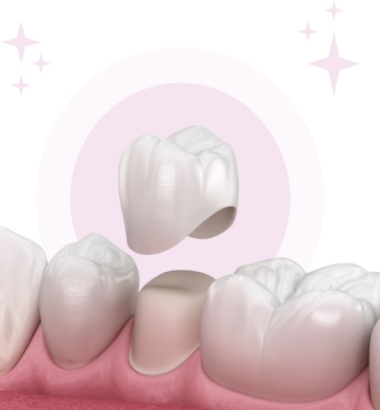
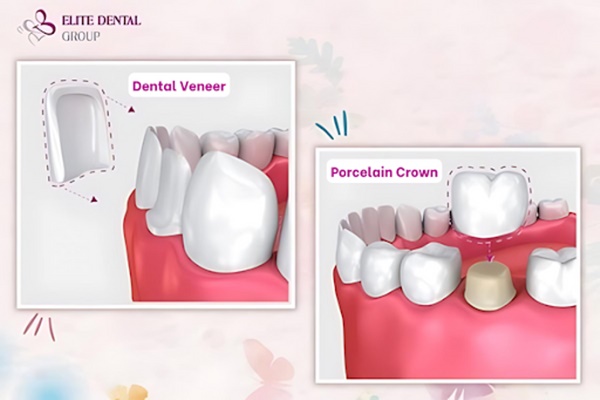
A porcelain crown is a custom-fabricated cap covering the entire visible portion of a tooth. The dentist reduces the natural tooth to form a tooth core , then bonds the crown over it with dental cement. This restoration simultaneously restores the tooth’s form, function, and function and aesthetics.
Crowns are indicated when the remaining tooth structure cannot support a simpler repair: large fractures, extensive decay, or teeth that have completed root canal treatment. Severe tetracycline or fluoride staining that does not respond to whitening or veneers is another indication.
A crown is a substantial intervention: enamel removed for the tooth core cannot be regrown. Where a tooth is healthy and merely discoloured, chipped slightly, or mildly spaced, a porcelain veneer preserves far more enamel and is usually the better option.
Crowns are also not an orthodontic tool. Misalignment, overbite and underbite are corrected with braces or clear aligners, not by crowning otherwise sound teeth.
The most beautiful restoration is one that restores what is needed while preserving as much of your natural tooth as possible.
Instances Where You May Need Dental Crowns
Cosmetic dental crowns are usually indicated for the following cases:

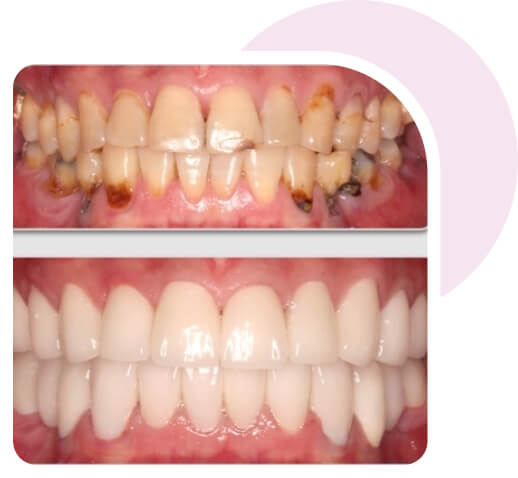
People whose teeth are severely contaminated with tetra/fluoride stains that cannot be overcome by whitening and veneer methods, cause a lack of confidence and reluctance to communicate.
Teeth that have undergone endodontic treatment, teeth with large breaks that cannot be reconstructed, or have extensive cavities… making it difficult to chew and other cosmetic dentistry methods (such as veneers) cannot be applied.

What cases should not be covered by dental crowns?
Dental crowns involve significant removal of natural tooth structure, and once the real tooth tissue is lost, it cannot be restored. Therefore, grinding teeth for pillars must be done with the right proportions, avoiding excessive grinding. You need to be cautious with places that make low-cost dental crowns to avoid risks when grinding teeth. Let’s get your teeth done at reputable clinics with experienced specialists who have certifications to give the right instructions based on your tooth condition and ensure perfect, long-lasting results.
Not every case is suitable for dental crowns. For example, in situations of overbite, crowns cannot fix the issue – orthodontic treatment is needed. If the tooth has minor defects such as irregular shape or slight spacing, dental crowns would be a better option to preserve the natural teeth.
Additionally, you should not receive dental crowns if their teeth are straight and healthy, just discolored; have minor chipping or spacing; have significant misalignment (overbite, underbite); or have permanent tooth loss.

Why Are Cosmetics Dental Crowns Becoming Increasingly Popular?
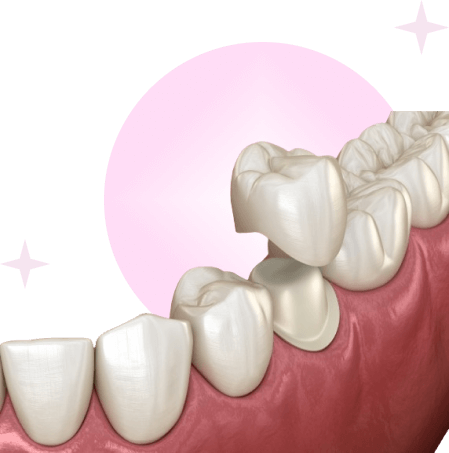
Aesthetic dental crowns are favored by many customers due to their high durability, combined with modern technology that significantly reduces the time required for dental crown treatment.
Achieve superior aesthetics
High durability, lasting 8-10 years or more
Using dental materials with a clear origin and treated by specialized dentists, the usage lifespan of up to 8-10 years. Due to its hardness, the chewing function of the teeth is also guaranteed throughout the usage period.
Rapid crown installation
Dental crowns are usually completed within 3-7 days with 3-5 appointment sessions, depending on the condition of the teeth, the number of crowns required, the dentist’s skills, etc. Nowadays, with digital CAD/CAM technology, Elite Dental can restore dental crowns within a few hours, saving time and effort for customers.
Ensure health safety
Getting dental crowns at reputable clinics with an experienced team of dentists and modern facilities helps ensure the safety of the customer’s health, and customers feel more secure during the dental treatment process.
What Type Of Cosmetic Dental Crowns Should You Choose?
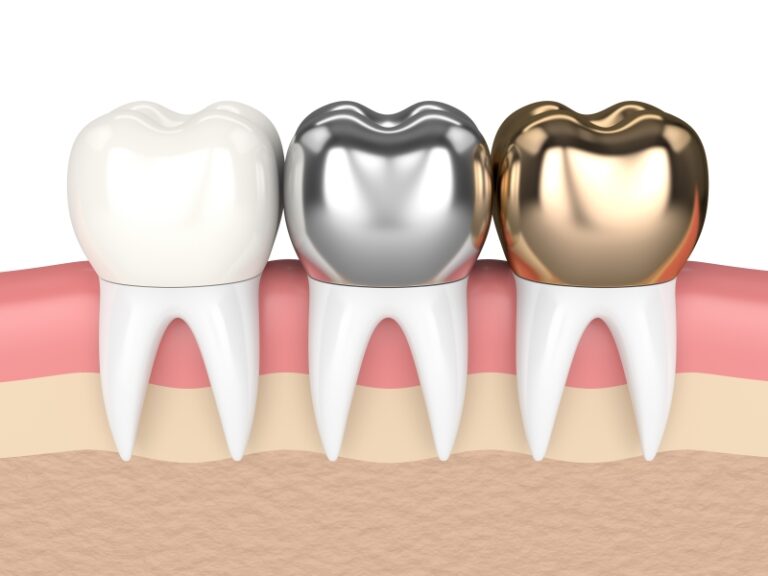
In the current market, there are various types of dental crowns such as metal-ceramic crowns, titanium crowns, and all-ceramic crowns. However, to ensure aesthetic appeal and safety, all-ceramic crowns are prioritized over the others due to the following superior features:
- 100% bioceramic composition, durability of 10 – 20 years.
- Natural color and brightness of the teeth.
- No discoloration of the gum line or change in color during use.
- High compatibility, no irritation to the oral cavity.
- Good bearing capacity, comfortable chewing.


How Is The Porcelain Crown Procedure Performed?
After a careful examination, if your dental issue cannot be addressed by less invasive restoration methods (such as veneers), the dentist will recommend dental crowns. The procedure includes the following steps:

Step 1
General oral health examination

Step 2
Tooth grinding

Step 3
Dental impression taking

Step 4
Install permanent
porcelain teeth

Step 1: Examination and planning
The dentist assesses the whole mouth and treats active disease first: caries, periodontal inflammation, pulpitis or pulp necrosis. Imaging begins with a periapical or panoramic 2D X-ray as the initial study; further imaging is ordered if the clinical picture calls for it. Shade and shape are agreed at this stage, and Smile Design is used when several front teeth are restored together. Any history of metal or nickel allergy is recorded here, since it rules out alloy-based crowns.
If the treatment plan is agreed upon and there are no factors that require treatment to be postponed—such as gingival inflammation, the need to monitor the pulp, or displaced adjacent teeth—the tooth can be prepared during the same appointment.
Step 2: Tooth preparation and digital impression and fabrication
The tooth is cleaned, local anesthesia is administered, and the abutment is prepared to a measured reduction. The margin must respect the biologic width, the epithelial and connective tissue attachment above the bone, which averages approximately 2 mm and varies between individuals. Current periodontal terminology describes this zone as the supracrestal tissue attachment. Encroaching on it risks gingival inflammation and bone loss, so this step depends on the operator’s precision more than on any equipment. Then, an intraoral scanner records the prepared tooth and the opposing arch as a digital impression, so no conventional tray material is needed. Elite Dental Vietnam uses intraoral scanners such as Trios and Primescan, and the scan can be reviewed on screen before it goes to the laboratory. A CAD/CAM system (Cerec) then designs and mills the crown, which shortens fabrication time. Marginal fit is not decided by the milling equipment: it depends on how the abutment is prepared and on the cementation protocol. Shade and surface characterization are personalized to the neighboring teeth.
Step 3: Cementation and bite check
The crown is tried in, checked for margin fit and contact points, shape and color, then bonded with dental cement. Occlusion is adjusted before the patient leaves, because a high contact is a common source of lingering discomfort.
Step 4: Follow-up and check-up
The dentist checks for postoperative sensitivity or discomfort, evaluates the gingival condition, and reassesses the bite. If the crown feels high or uncomfortable, any excessive occlusal contact is adjusted.

Dental crown treatment time
With CAD/CAM technology, patients can sometimes get a single crown in a single day if their oral condition is good. However, if there are oral health issues and multiple crowns are required, it may take 3 to 4 appointment visits.
6 Reasons to Get Cosmetic Dental Crowns at Elite Dental
In-depth treatment – Prioritizing maximum preservation of natural teeth for long-lasting beauty and health
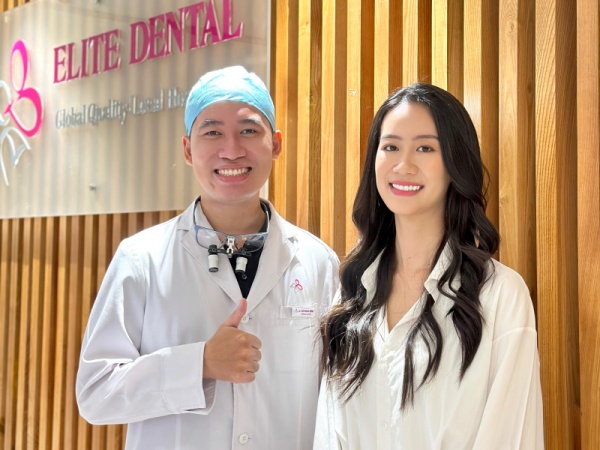

Highly skilled and experienced team of dentists
The dentists are specially trained in dental prosthetics, accurately prescribing for each case to achieve optimal dental crown results and ensure a perfect smile for the customers.

Minimally invasive, maximum preservation
Elite Dental doctors always prioritize the least invasive method possible and maximize the preservation of natural teeth, providing comprehensive results in terms of chewing function, smile aesthetics, and oral health.

Modern digital technology application
Elite Dental uses the PrimeScan scanner to accurately take dental impressions, CAD/CAM digital technology to design porcelain crowns and meticulously cut porcelain, and an EP3010 oven to help bake porcelain teeth quickly, shortening the time to make porcelain teeth.

Ensuring aesthetics and chewing function
The dentists’ expertise combined with advanced equipment ensures dental crown results that guarantee aesthetics and chewing function, allowing customers to smile and eat with confidence.

Attentive care and dedicated consultation for customers
Elite Dental provides 24/7 care services and is ready to support, answer all questions, and resolve any difficulties customers may have. If there are any issues, customers can contact (+84) 28 7306 3838.

Multiple specialties to fulfill perfect smile needs
In addition to dental crowns, Elite Dental offers other services such as orthodontics, dental implants, dental veneer, scaling, and teeth whitening to comprehensively perfect the smile, making it both beautiful and healthy.

How Much Do Dental Crowns Cost?
The cost of cosmetic dental crowns will depend on factors such as the type of crown, the number of teeth, and the clinic performing the procedure. Here is a pricing table for dental crowns at Elite Dental.
| SERVICE | PRICE (VND) | PRICE (USD) | PRICE (AUD) | NOTE |
| Titanium porcelain crown | 3.000.000 | 115 | 170 | 1 tooth |
| UNC all-porcelain crown | 5.000.000 | 195 | 280 | 1 tooth |
| Full ceramic crown/Full Zirconia crown – Zirconia/cerec | 9.000.000 | 350 | 500 | 1 tooth Posterior tooth area |
Clear and transparent pricing consultation for dental crown costs.
There are 0% installment payment plans available for dental crown services costing 20 million VND or more.
Prices may vary depending on the specific condition of each patient and the chosen treatment method. Please contact Elite Dental for accurate consultation and pricing.

Register for Porcelain Crown Consultation at Elite Dental
Experience premium oral care services, guaranteed maximum satisfaction
Tips for Successful Porcelain Crowns
To maintain the longevity and beautiful appearance of porcelain crowns, customers need to keep a few things in mind before and after the treatment.
Before treatment
- Choose a reputable clinic with highly skilled dentists to accurately prepare the tooth, and carefully control and manage the crown placement process, ensuring safety and effectiveness.
- Select high-quality, long-lasting porcelain crowns. You may consider all ceramic crowns with excellent aesthetics and durability.
- Eat a balanced diet and get rest before the crown procedure for a relaxed state of mind, which will facilitate a smoother crown placement process.
After treatment
- Brush your teeth twice a day using a soft toothbrush and dental floss to keep your teeth clean.
- Avoid eating extremely hard, hot, or cold foods to prevent chipping or damage to the crowns.
- Limit consumption of sticky foods like caramel, chewing gum, gummy candies, or sugary items like coffee and carbonated drinks, as they can cause discoloration of the crowns.
Frequently Asked Questions When Wanting To Get Dental Crowns
Some common questions that customers may have to better understand the method of cosmetic dental crowns.
What type of dental crown should I choose for my molars?
Depending on your needs and financial capability, you can choose between metal-ceramic crowns or all-ceramic crowns. All ceramic crowns are recommended as they provide long-lasting results and are suitable for the elderly or those with metal allergies.
Can I get dental crowns at Elite Dental through installment payments?
Getting dental crowns at Elite Dental can be paid through 0% installment for bills of 20 million VND or more if you have a credit card from Standard Chartered/HSBC/Shinhan or agree to open a credit card with these banks (if you don’t already have one).
What causes long-term dental crown pain and discomfort?
Long-term dental crown pain and discomfort can be caused by factors such as crown misalignment, dental cement leakage, poor quality crowns, improper dental care, teeth grinding during sleep, etc. You should consult a dentist for an examination and proper treatment.
Do dental crowns cause bad breath?
Dental crowns will not cause bad breath if they are properly installed using quality, safe crown materials. If bad breath occurs after getting crowns, it could be due to cracked crowns, poor quality, or other oral health issues.
Do I need a root canal before getting dental crowns? Is it painful after a root canal?
Not every case requires a root canal before getting dental crowns. Patients will be recommended for a root canal if the tooth is decayed, the pulp is dead, the pulp is exposed, or the tooth needs extensive grinding. During the root canal, the dentist will use anesthesia to ensure the patient’s comfort.
What to expect after getting dental crowns?
After getting dental crowns, the patient may experience some sensitivity, mild pain at the crown site, slight gum itchiness, or discoloration. These are normal signs and will subside within 2-3 days. If there are difficulties with chewing, swollen/red gums with pus, or foul breath, these could be warning signs of complications that require medical examination.
Does getting a ceramic crown hurt?
The procedure is well-tolerated by most patients. Local anesthesia could be administered before the tooth is prepared, so the preparation itself is comfortable. Mild sensitivity for one to two days afterwards is normal, and post-operative discomfort is typically managed with standard analgesia. Tell your dentist if sensitivity persists beyond a few days, since an occlusal adjustment is often all that is needed.
Do ceramic crowns cause bad breath, and how is that prevented?
A crown is not itself a cause of bad breath. Odor is associated with plaque, not with ceramic: it develops when plaque collects at a margin that is not sealed tightly against the tooth, or when brushing and flossing miss that junction. Prevention rests on three things: a precisely fitted margin, treating any existing decay or gum disease before the crown is placed, and daily flossing around the crown margin.
Do I need a root canal before a crown?
Not in most cases. A root canal is indicated when the pulp is inflamed, non-vital or exposed, or when preparation would come close to the pulp chamber. Many teeth are crowned with a healthy pulp intact. Your dentist confirms this from the examination and X-ray at the planning visit.
Which crown should I choose for a molar?
Both all-ceramic and PFM crowns are used successfully on molars. Zirconia is the usual recommendation where chewing loads are highest, because it combines strength with a stable natural shade and no gum-line greying. Titanium PFM remains a reasonable choice for a back tooth that is not visible when you smile, provided there is no history of nickel allergy: its alloy core contains nickel, the most common contact allergen. Patients with a known metal sensitivity are restored with all-ceramic crowns.
Can I eat normally after getting a crown?
Yes. Once the cement has set, a crown restores comfortable chewing, and most patients return to a normal diet within a day or two, easing in with softer foods first. The habit worth keeping is caution with very hard items (ice, hard nuts, bones), which chip ceramic just as they chip enamel.
Can I get a crown if I am travelling to Vietnam for treatment?
Yes, in most cases. Crown treatment suits international patients because it is completed in a defined number of visits rather than over months. The exact schedule depends on your clinical condition and the number of units planned and is confirmed at the initial consultation in Ho Chi Minh City.
Dental crowns are an effective tooth restoration solution to address shape and color imperfections, providing a brighter and more aesthetic smile. To ensure safe and beautiful dental crowns, customers should choose a reputable provider.


Related Posts
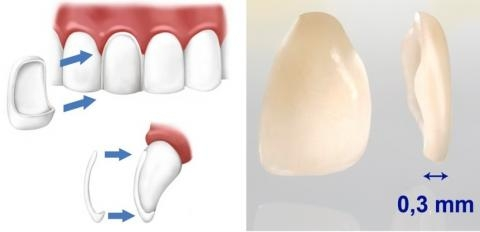
Key Takeaways Veneers are worth it when the problem is surface-level. Discoloration whitening cannot lift, small gaps, minor chips and slightly uneven shape respond...
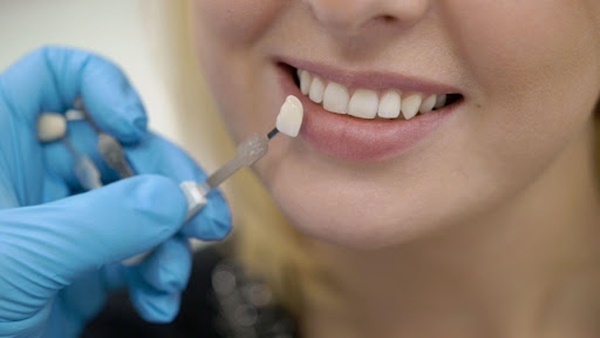
Dental Veneer is a minimally invasive cosmetic method, helping to improve dental defects such as sparse teeth, chipped teeth, tetra-infected teeth ... So what...
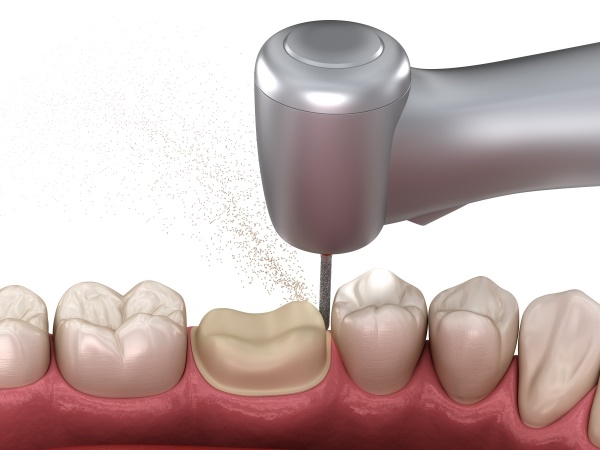
Porcelain crowns are a dental restoration technique aimed at restoring the aesthetics and functionality of teeth. Since this method involves grinding down the natural...
Currently, when it comes to cosmetic porcelain prosthetics services for teeth, 2 solutions are being interested by many people: dental veneers and porcelain dental...
Recently, Elite Dental has received many inquiries from customers regarding Ceramic Veneer - a very popular cosmetic dental service today. In addition to questions...

Ceramic veneers are a popular cosmetic dental method, as they allow for a bright smile while preserving natural teeth without invasion. However, those new...

