


Table of content
- Short answer
- 📌 5 Things to Know About Eating After Wisdom Tooth Surgery
- How Soon Can You Eat After Extraction?
- Day-by-Day Eating Guide
- Foods That Support Faster Recovery
- Foods and Drinks to Avoid
- Cost of Wisdom Tooth Extraction at Elite Dental Vietnam
- Why Choose Elite Dental Vietnam for Wisdom Tooth Recovery
- What to Ask During Your Consultation
- Frequently Asked Questions
- Conclusion
- Your Safety at Elite Dental Vietnam
- References
Short answer
After wisdom tooth removal, most patients should wait about two hours before eating, then start with cool or room-temperature soft foods. Avoid straws, hot drinks, crunchy or spicy foods, alcohol, and vigorous rinsing early because these can disturb the clot and delay healing. Follow your surgeon’s instructions for complex extractions.
📌 5 Things to Know About Eating After Wisdom Tooth Surgery
1. Wait at least 2 hours after surgery before eating anything — the blood clot inside the socket needs time to form, and disturbing it early is the main cause of dry socket.
2. Diet progresses in stages: cold or room-temperature liquids on Day 1, soft warm foods Day 2 to 3, semi-solid foods Day 4 to 7, and a gradual return to normal eating from Week 2.
3. Avoid hot drinks, straws, crunchy snacks, alcohol, and spicy food for at least 5 to 7 days — these are the most common triggers for delayed healing.
4. Foods rich in protein, vitamin C, and zinc actively support tissue repair; bone broth, eggs, blended soft fruit, and steamed fish are reliable choices.
- Elite Dental Vietnam uses Piezotome ultrasonic surgery and PRF/PRP biological therapy in selected cases to support a minimally invasive surgical workflow, clot stability, and soft-tissue healing.
| 📞 Call Elite Dental Vietnam at (+84) 28 7306 3838 to schedule a consultation. |
|---|
How Soon Can You Eat After Extraction?
The first instruction most patients receive at discharge is to wait two hours before eating, and the reason is biological rather than arbitrary. Within minutes of the tooth being removed, the body starts forming a blood clot inside the empty socket. That clot is the wound dressing — it covers exposed bone and nerve endings, and it is the platform on which new gum tissue grows over the following weeks. If the clot is dislodged in the first 24 hours, the result is dry socket (alveolar osteitis), which delays healing by 7 to 10 days and is one of the most uncomfortable post-surgical complications in dentistry.
Clot stability follows a predictable timeline. In the first 2 to 4 hours, the clot is fragile, and even a sip of water taken too forcefully can disturb it. By 24 hours, fibrin strands have woven the clot into something more durable. By 48 to 72 hours, new connective tissue is anchoring beneath the clot, and the chance of dislodgement drops significantly. This is why dietary rules are strict on Day 1 and relax week by week.
When you do start eating, choose cold or room-temperature soft foods. Heat increases blood flow at the surgical site and can destabilize a clot that has only just formed. Plain yogurt, chilled applesauce, mashed banana, lukewarm broth taken with a spoon, and protein smoothies sipped from the rim of a cup (never through a straw) are the safest first foods. The goal in the first 24 hours is calories and protein, not variety.
A minimally invasive surgical workflow may support a smoother early-recovery window in selected cases by reducing unnecessary tissue trauma. Where clinically indicated, ultrasonic bone instruments, computer-controlled anesthesia, and PRF/PRP biologics may be used to support comfort, clot stability, and early healing. Recovery still varies by tooth position, surgical difficulty, age, health status, and compliance with post-operative instructions.
Day-by-Day Eating Guide
Recovery follows a recognizable pattern, even though individual speed varies with extraction complexity, age, and overall health. The table below summarizes what most patients can eat on each day, what to avoid, and a few practical tips to make recovery more comfortable. Always defer to your surgeon’s specific instructions if they differ from this general guide.
| Day | Recommended Foods | Foods to Avoid | Recovery Tips |
|---|---|---|---|
| Day 1 | Cold yogurt, smoothies (no straw), lukewarm broth, mashed banana, applesauce | Hot food and drinks, straws, anything crunchy, spicy food, alcohol | Ice pack 20 min on / 20 min off; sleep with head elevated |
| Day 2–3 | Warm soup, scrambled eggs, mashed potatoes, oatmeal, congee | Spicy food, acidic drinks, alcohol, chewy meat, carbonated drinks | Gentle warm salt-water rinses after meals from Day 2 |
| Day 4–7 | Soft pasta, steamed fish, tofu, well-cooked rice, ripe avocado | Nuts, chips, popcorn, hard bread, raw vegetables, sticky rice | Chew on the opposite side; resume gentle brushing near the site |
| Week 2+ | Gradual return to normal diet as tolerated | Very hard or sticky foods until tissue is fully healed | Resume normal oral hygiene; book follow-up if any doubts |
| 📞 Considering wisdom tooth extraction? Contact Elite Dental Vietnam — hotline (+84) 28 7306 3838 — to schedule a panoramic consultation, with 3D imaging when clinically indicated. |
|---|
Foods That Support Faster Recovery
Some foods do more than fill the calorie gap; they actively contribute to wound repair. Protein-rich options such as scrambled eggs, Greek yogurt, and steamed fish provide the amino acids the body needs for collagen synthesis and soft-tissue regeneration. Bone broth deserves a special mention: it is gentle on a sore mouth, easy to drink lukewarm, and contributes collagen, minerals, and amino acids that support recovery without any chewing required. Vitamin C supports collagen formation, so blended papaya, kiwi smoothies, and mashed sweet potato are useful additions from Day 2 onward.
A practical three-day meal plan might look like this. Breakfast: Greek yogurt with honey and mashed banana. Lunch: cream of mushroom or pumpkin soup with soft bread soaked in broth. Dinner: scrambled eggs with mashed avocado and a small portion of well-cooked oatmeal. Snacks can include protein smoothies (blended with milk, banana, and a spoon of peanut butter — sipped from a cup, never a straw), unsweetened applesauce, or pudding. This pattern delivers roughly 1,500 to 1,800 calories and 60 to 80 grams of protein, which is enough for most adult patients during the first week.
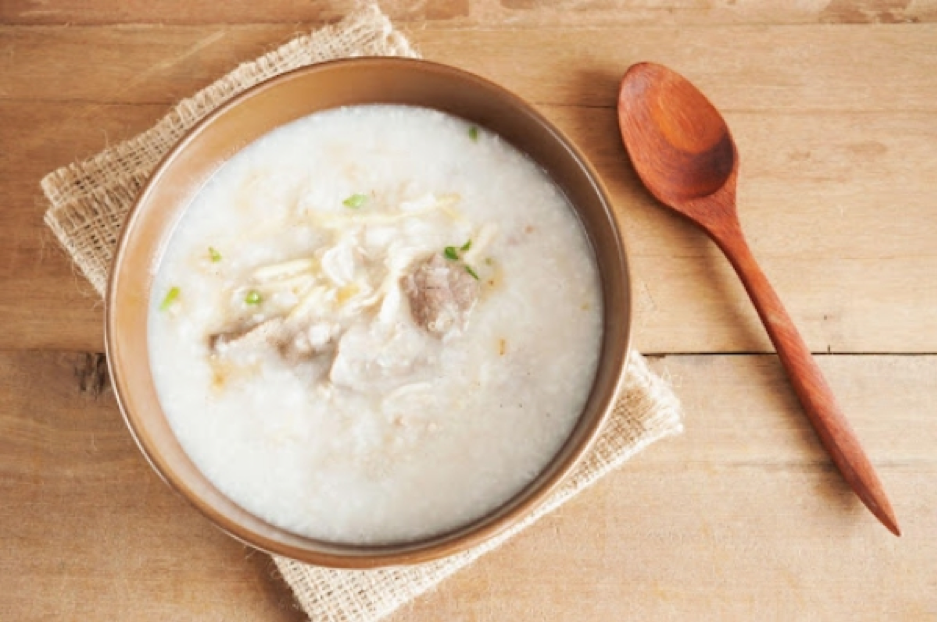
Porridge is a soft, easy-to-eat food that doesn’t require much chewing, helps reduce the impact on the jaw muscles, and provides many nutrients.
Zinc and iron are smaller but useful contributors. Zinc supports immune function during recovery and is found in well-cooked lentils, hummus, and fortified cereals. Iron from soft-cooked spinach or fortified oatmeal helps replace any blood lost during surgery. Hydration is just as important as nutrition: 8 glasses of room-temperature water per day support every step of cellular repair, and good hydration also helps the body process pain medications more comfortably.
Elite Dental Vietnam offers PRF/PRP biological therapy as a surgical adjunct for selected cases. The technique concentrates growth factors from the patient’s own blood and places them inside the extraction socket to support clot stability and soft-tissue healing. Recovery and the return to normal eating still vary by surgical complexity, inflammation level, and individual healing response. For pain-management context, see the guide on post-extraction comfort.
Foods and Drinks to Avoid
Avoidance matters as much as choice in the first week. Hot beverages — coffee, tea, and hot water — increase blood flow at the wound and can renew bleeding; wait at least 48 to 72 hours before drinking anything hot, and even then take it lukewarm at first. Straws are an even more direct problem. The suction pressure they create can pull the blood clot out of the socket entirely, which is one of the leading causes of dry socket in young adult patients. Crunchy foods — chips, nuts, popcorn, hard bread crusts — can lodge in the socket and irritate the wound or, worse, fracture the gum margins as the wound starts to close.
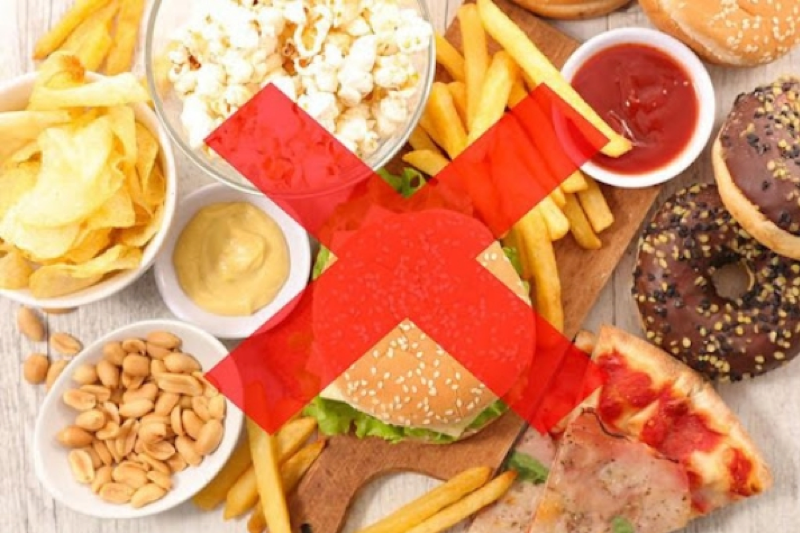
After wisdom tooth extraction, you need to limit foods that are brittle, fragile, sour, spicy, hot, chewy, or hard.
Spicy food causes inflammation at the wound surface and slows epithelial healing; this includes chili paste, sriracha, and most curry. Alcohol delays healing, interacts with the pain medications prescribed after surgery, and should be avoided for at least 7 to 10 days. Carbonated drinks create fizzing pressure inside the mouth that can disturb a fragile clot — leave soda, beer, and sparkling water out of the diet for the first week. Acidic foods and drinks, including orange juice, tomato sauce, vinegar dressings, and citrus fruits, cause sharp pain at the exposed wound margin and are best paused until Day 5 or so.
Cost of Wisdom Tooth Extraction at Elite Dental Vietnam
Wisdom tooth extraction at Elite Dental Vietnam is priced by complexity rather than by tooth count. A simple erupted extraction costs 1,000,000–2,000,000 VND (around $40–$80 USD). A surgical extraction of an impacted tooth — where bone removal or sectioning is needed — ranges from 3,000,000–6,000,000 VND ($115–$230 USD). PRF/PRP biological therapy is offered as an optional add-on for selected cases. Final pricing depends on the position of the tooth, the difficulty of access, the imaging required, and the approved treatment plan.
At Elite Dental Vietnam, oral surgery is delivered through a minimally invasive workflow aligned with oral-surgery planning standards, all under AACI accreditation. Imaging starts with a panoramic view at intake, with 3D Cone Beam CT added when clinically indicated for cases requiring detailed nerve and sinus mapping. The workflow also uses Piezotome ultrasonic bone work, the Wand STA computer-controlled anesthesia, and PRF/PRP biological therapy from the patient’s own blood when clinically indicated.
English-language coordination is provided across all three clinics: Tu Xuong, Huynh Tinh Cua, and Metropole (Thu Thiem). The Elite Dental Vietnam team supports appointment scheduling, post-operative follow-up, and consultation on accommodation and transit for expat residents in Ho Chi Minh City. A typical surgical visit is 2 to 3 days on the ground; complex bilateral cases may need a second visit 1 to 2 weeks later for follow-up imaging.
Why Choose Elite Dental Vietnam for Wisdom Tooth Recovery
Recovery quality is set on the day of surgery, not afterwards. Two patients given the same dietary advice will heal at very different rates. The difference depends on how much soft tissue was disturbed during the procedure, how cleanly the bone was cut, and whether biological adjuncts were used to support the clot. Elite Dental Vietnam controls all three variables under AACI accreditation — the first AACI-accredited dental system in Vietnam (95.33/100). Each case is documented from initial imaging review to the final post-operative review. You can read more on our AACI accreditation page.
Surgical care is delivered by clinicians experienced in complex oral surgery, including specialized training for inferior alveolar nerve proximity and maxillary sinus navigation. The team handles all four impaction angles and depth classes A through C, including the multi-rooted and deeply impacted cases that may require referral in less specialized settings. Each piece of technology in the workflow is matched to a clinical purpose: panoramic 2D for initial overview, 3D Cone Beam CT for complex cases as indicated, Piezotome for selective bone work, the Wand STA for comfortable anesthesia, and PRF/PRP for biological support during clot formation.
For patients planning a dental trip, that combination may help reduce post-operative discomfort and may support recovery in selected cases — while the actual diet timeline still depends on surgical complexity, bone condition, and individual healing.
What to Ask During Your Consultation
Use the consultation to connect the general guidance in this article to your own diagnosis, budget, timeline, and treatment pathway. Useful questions include:
For international or expat patients, also ask whether records can be reviewed before arrival and how much time should be reserved in Ho Chi Minh City for examination, treatment, and follow-up.
- What warning signs mean I should contact the clinic?
- Which foods or drinks should I avoid in the first week?
- When can I move from liquids to soft foods and then normal chewing?
- How complex was my extraction and does that change my diet timeline?
Frequently Asked Questions
Can I eat porridge after a wisdom tooth extraction?
Yes, porridge is one of the safest soft foods for the first three days. Eat it warm rather than hot — temperature is the variable that matters more than the food itself. Day 1 calls for cold or room-temperature foods, but warm porridge is fine from Day 2 onward, especially when enriched with a soft-boiled egg or a small spoon of nut butter for protein.
When can I eat rice again?
Soft, well-cooked white rice is typically safe from Day 4 onward. Avoid sticky rice, fried rice, and rice with hard toppings (fried shallots, peanuts, crispy pork) for at least 7 days. Chew on the opposite side of the extraction even with soft rice; the chewing reflex still transmits force to the surgical socket if you bite directly over it.
When can I drink coffee again?
Hot coffee should be avoided for 48 to 72 hours. After Day 3, lukewarm coffee taken from a cup (not a straw) is generally fine. Iced coffee with no ice fragments — small ice cubes can fracture and disrupt the clot — is acceptable from Day 2 if the temperature does not feel uncomfortably cold against the surgical site.
How long until I can eat normally?
Most patients return to a normal diet 10 to 14 days after a routine surgical extraction. The last items to reintroduce are very hard foods (raw carrots, hard candy, baguette crust) and very sticky foods (caramel, mochi). Complex bony impactions or bilateral cases may need an additional 5 to 7 days. The reliable signal that you are ready is being able to chew on the surgical side comfortably.
Conclusion
Eating after wisdom tooth surgery is less about a fixed list of allowed foods and more about understanding the biology of the wound. The blood clot is fragile in the first 24 hours, durable by 72 hours, and stable by the end of the first week. The diet should mirror that arc, starting with cold liquids, progressing through warm soft foods, and returning to normal eating around Day 10 to 14.
When extraction is the right call, the experience should be planned, clinically controlled, and well documented. At Elite Dental Vietnam, that means panoramic 2D imaging as the starting point with 3D Cone Beam CT for complex cases as indicated, the Wand STA computer-controlled anesthesia, Piezotome ultrasonic surgery for selective bone work, and PRF/PRP biological therapy where clinically indicated. Pricing depends on diagnosis, surgical complexity, technology used, and follow-up needs.
Not sure whether your post-operative diet is on track, or whether a symptom is normal swelling or an early warning of dry socket? A brief consultation with the surgical team at Elite Dental Vietnam will resolve the uncertainty in a single visit.
Your Safety at Elite Dental Vietnam
Elite Dental is the first dental system in Vietnam to receive accreditation from the American Accreditation Commission International (AACI). Under AACI Dental Standards Version 2.1, Elite Dental achieved a score of 95.33 out of 100 and continues to hold this accreditation in 2026. You can read more on our AACI accreditation page.
AACI accreditation serves as an independent third-party validation of the quality standards that Elite Dental has consistently maintained through its rigorous clinical and operational practices over many years. The accreditation is valid for one year and is subject to periodic reassessment and renewal.
The accreditation was awarded on September 8, 2025, and officially announced on October 20, 2025. It applies across all three Elite Dental locations: Huynh Tinh Cua, Tu Xuong and Metropole (Thu Thiem).
Consultation Hotline: (+84) 28 7306 3838
Website: elitedental.com.vn
| 📞 If you have questions about post-operative diet or want a second opinion on a planned extraction, call Elite Dental Vietnam at (+84) 28 7306 3838 to book a consultation. |
|---|
Elite Dental Vietnam — AACI-accredited | (+84) 28 7306 3838 | elitedental.com.vn/en
Tu Xuong · Huynh Tinh Cua · Metropole (Thu Thiem)
References
1. Blondeau F, Daniel NG. Extraction of impacted mandibular third molars: postoperative complications. J Can Dent Assoc. 2007;73(4):325. https://pubmed.ncbi.nlm.nih.gov/17484797/
2. American Dental Association. Wisdom Teeth Management. https://www.ada.org/resources/research/science-and-research-institute/oral-health-topics/wisdom-teeth
3. Bui CH, Seldin EB, Dodson TB. Types, frequencies, and risk factors for complications after third molar extraction. J Oral Maxillofac Surg. 2003;61(12):1379-1389. https://pubmed.ncbi.nlm.nih.gov/14663801/
4. World Health Organization. Oral Health Fact Sheet. https://www.who.int/news-room/fact-sheets/detail/oral-health
Disclaimer: The information in this article is for educational purposes only and does not replace an in-person consultation with a qualified dentist. Contact Elite Dental Vietnam for personalized advice.