


Table of content
- Short answer
- 📌 5 Things to Know About Braces Pain
- Does Getting Braces Put On Hurt?
- Pain Timeline: Day by Day
- What Causes Braces Pain?
- How to Manage Braces Discomfort
- Does Pain Vary by Braces Type?
- Why Choose Elite Dental Vietnam for Orthodontics
- What to Ask During Your Consultation
- Frequently Asked Questions
- Conclusion
- Your Safety at Elite Dental Vietnam
- References
Short answer
Braces can cause pressure or soreness, especially after bonding and adjustment visits, but they should not cause sharp or unmanaged pain. Discomfort usually reflects controlled tooth movement and settles with soft foods, orthodontic wax, and appropriate pain relief. Persistent pain, ulcers, loose brackets, or broken wires should be checked promptly.
📌 5 Things to Know About Braces Pain
1. Braces involve some discomfort, but it is mild, time-limited, and predictable — peak soreness is on Day 2 to 3 after bonding and resolves by Day 5 to 7.
2. The bonding appointment itself is well tolerated and does not require anesthesia. Soreness typically begins a few hours later as the archwire starts moving teeth.
3. Monthly adjustments cause 1 to 3 days of mild soreness similar to the bonding response, but most patients find the discomfort decreases with each cycle.
4. Pain medication should be used strictly as advised by the dentist or physician. Cold or room-temperature foods, orthodontic wax for irritated cheeks, and warm salt-water rinses cover most non-medication comfort needs.
5. Elite Dental Vietnam offers metal braces, ceramic braces, and Invisalign systems, with comprehensive case assessment to calibrate the treatment plan to each patient.
| 📞 Call Elite Dental Vietnam at (+84) 28 7306 3838 to schedule a consultation. |
|---|
Does Getting Braces Put On Hurt?
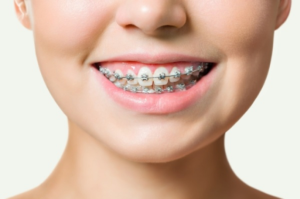
The bonding appointment itself — when brackets are glued onto each tooth and the first archwire is inserted — is generally well tolerated. There are no needles, no drilling, and no anesthesia required. The orthodontist cleans each tooth surface, applies a bonding agent, positions the bracket, and cures the adhesive with a curing light. The most you usually feel is mild pressure as brackets are positioned and a slight chemical taste from the bonding agent. The full procedure takes 60 to 90 minutes for a standard case.
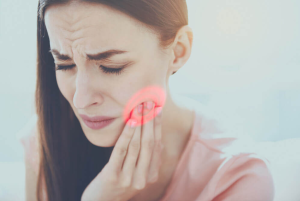
Discomfort begins three to four hours after the appointment, once the archwire starts applying its initial force to your teeth. This is when tooth movement begins, and the periodontal ligament and surrounding bone respond with mild inflammation that you experience as soreness, pressure, and tenderness when biting. It is a normal biological response, and it is also the signal that treatment is working. Adolescents tend to feel this earlier and more sharply than adults; adults often feel it as a dull ache spread across several teeth rather than a localized sensitivity.
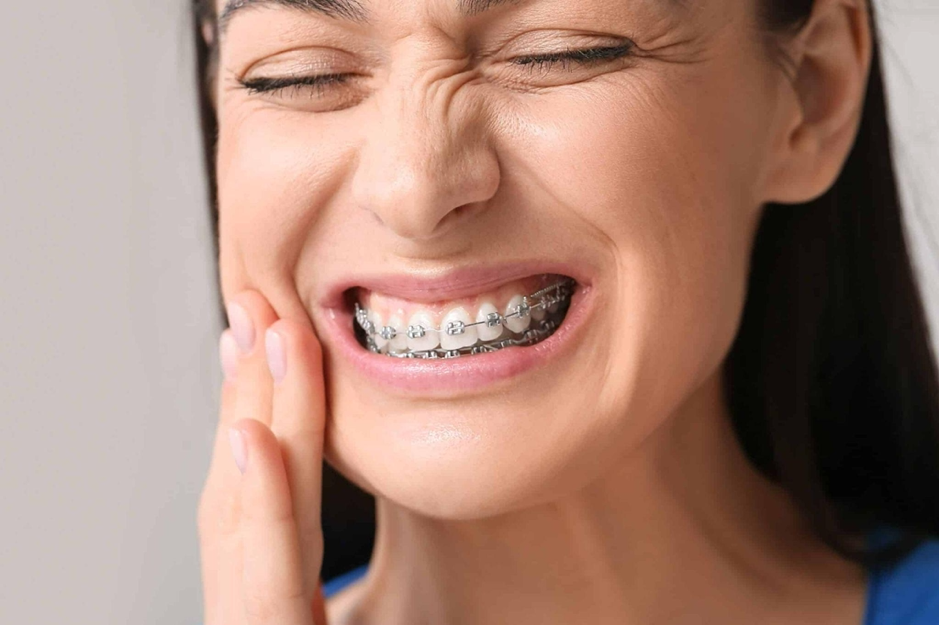
Monthly adjustments cause mild soreness for 1–3 days (peaking within 24h), which lessens over time
Pain Timeline: Day by Day
Knowing exactly when and how braces hurt helps patients plan around the discomfort rather than be surprised by it. The timeline below is built from clinical observation and patient feedback at Elite Dental Vietnam, and it holds up well across most fixed-bracket systems. Individual experience varies; ask your orthodontist for case-specific advice if your pattern differs.
| Day | What to Expect | Pain Level (1–10) | Management Tips |
|---|---|---|---|
| Day 0 (bonding) | Procedure is well tolerated; mild pressure sensation | 1–2 | Eat a normal meal beforehand; bring orthodontic wax |
| Day 1 | Teeth feel sore and tender; biting is uncomfortable | 4–6 | Cold yogurt, smoothies, room-temperature foods; OTC ibuprofen if needed |
| Day 2–3 | Peak discomfort; teeth sensitive to pressure; may feel slightly loose | 5–7 | Soft diet only; orthodontic wax over irritating brackets; warm salt-water rinses |
| Day 4–5 | Soreness decreasing noticeably; eating becomes easier | 3–4 | Gradually reintroduce softer solid foods |
| Day 7+ | Most discomfort resolved; teeth feel stable in new position | 1–2 | Resume normal eating; avoid very hard or sticky foods |
| Monthly adjustments | Mild soreness for 1–3 days after each visit | 3–5 | Same management strategy as Days 1–3 |
At Elite Dental Vietnam, orthodontists use personalized treatment planning anchored to each case to calibrate the wire sequence and force application across visits. This means tooth movement is controlled and gradual, which reduces unnecessary discomfort and the number of mid-treatment surprises. Patients who would prefer a more discreet appearance can choose Invisalign clear aligners; the choice is calibrated to the case rather than to a one-size-fits-all protocol.
What Causes Braces Pain?
Orthodontic discomfort has a clean biological explanation. When the archwire applies force to a tooth, it compresses the periodontal ligament — the thin layer of connective tissue between the tooth root and the surrounding alveolar bone. That compression triggers an inflammatory response. Blood flow to the area increases, inflammatory mediators (prostaglandins, cytokines) are released, nerve endings become sensitized, and osteoclast cells begin breaking down bone on the pressure side of the root to allow movement. The soreness is, literally, the sound of bone remodeling happening — and the tooth moving according to plan.
By Day 5 to 7, the inflammatory response subsides as the tooth settles into its new position and the periodontal ligament adapts. The cycle then repeats with each monthly adjustment, when the orthodontist activates the wire to progress movement to the next stage of the treatment plan. Studies have identified the specific molecular pathways involved: prostaglandin E2 levels in the periodontal ligament rise within hours of force application, sensitizing pain nerve fibers, and they return to baseline by Day 5 to 7. This is why anti-inflammatory medication may reduce orthodontic discomfort for some patients, but any medication should be used strictly as advised by a dentist or physician.
There is also an adaptation effect across the course of treatment. Several published studies report that the pain response diminishes with each subsequent adjustment, suggesting that the periodontal ligament adapts to repeated cycles of force and remodeling. Patients often describe the third adjustment as noticeably milder than the first.
| 📞 Considering orthodontic treatment? Contact Elite Dental Vietnam — hotline (+84) 28 7306 3838 — to schedule a consultation. |
|---|
How to Manage Braces Discomfort
A small number of strategies cover most of the discomfort during orthodontic treatment. If medication is appropriate, the dentist or physician can advise which option is safest for the patient. Cold or room-temperature foods (yogurt, smoothies, cold milk) can be gentle on tender teeth. Orthodontic wax — a soft, pliable material applied directly over irritating brackets — helps prevent friction ulcers on the inner cheeks and lips during the adaptation period.
Warm salt-water rinses soothe irritated gum tissue and are particularly helpful for the first 7 to 10 days. Dietary adjustment during peak soreness — soft pasta, scrambled eggs, mashed vegetables, well-cooked rice — prevents pain from food choices that the mouth simply is not ready for yet. Most patients develop a steady rhythm within 2 to 3 months and find that adjustment soreness becomes progressively milder as treatment continues.
For patients particularly sensitive to discomfort, Elite Dental Vietnam offers Invisalign clear aligners alongside metal and ceramic braces. The trade-offs differ by case; the orthodontic team will explain what is suitable based on the diagnosis at the consultation.
Does Pain Vary by Braces Type?
Yes, to a moderate extent. The choice of treatment system can affect adjustment-day soreness in measurable ways. Invisalign applies force through thermoplastic aligners that are changed every 1 to 2 weeks. Because each aligner moves teeth a small increment, the force at any given time is generally gentler than with a fixed wire. Among fixed bracket systems, the orthodontist’s wire selection and force calibration tend to influence comfort more than the bracket type itself.
A 2018 systematic review in the European Journal of Orthodontics analyzed twelve clinical trials comparing pain levels between fixed braces and Invisalign. The review found that Invisalign patients reported statistically lower pain scores during the first week after each aligner change compared with fixed-braces patients after wire adjustments. The clinical significance of the difference was modest. Both groups reported pain in the mild-to-moderate range, and pain resolved within similar timeframes. Still, the data is consistent with the everyday clinical impression that aligners feel a little gentler.
Soft tissue irritation — separate from tooth-movement soreness — is also affected by bracket choice. Metal and ceramic brackets have edges that can rub against the inner cheeks and lips, sometimes causing small ulcers in the first 1 to 2 weeks. Orthodontic wax is the primary solution; over time, the cheek and lip tissue develop a natural callus that prevents further irritation.
Metal braces typically cause more initial discomfort because they apply force directly through the bracket, but they are also widely used for complex skeletal corrections. The choice between systems should be based primarily on clinical effectiveness for the specific case, with comfort weighed as a secondary consideration. Comprehensive case assessment at Elite Dental Vietnam helps determine the appropriate treatment plan for each patient before bracket selection is finalized.
Why Choose Elite Dental Vietnam for Orthodontics
Orthodontic treatment is a 12 to 30 month commitment, and the consistency of care over that period matters more than any single appointment. Elite Dental Vietnam supports the full duration with regular progress reviews at each adjustment visit, comparing tooth movement against the treatment plan. This consistent tracking helps avoid both under-correction (which extends treatment) and over-correction (which causes unnecessary discomfort).
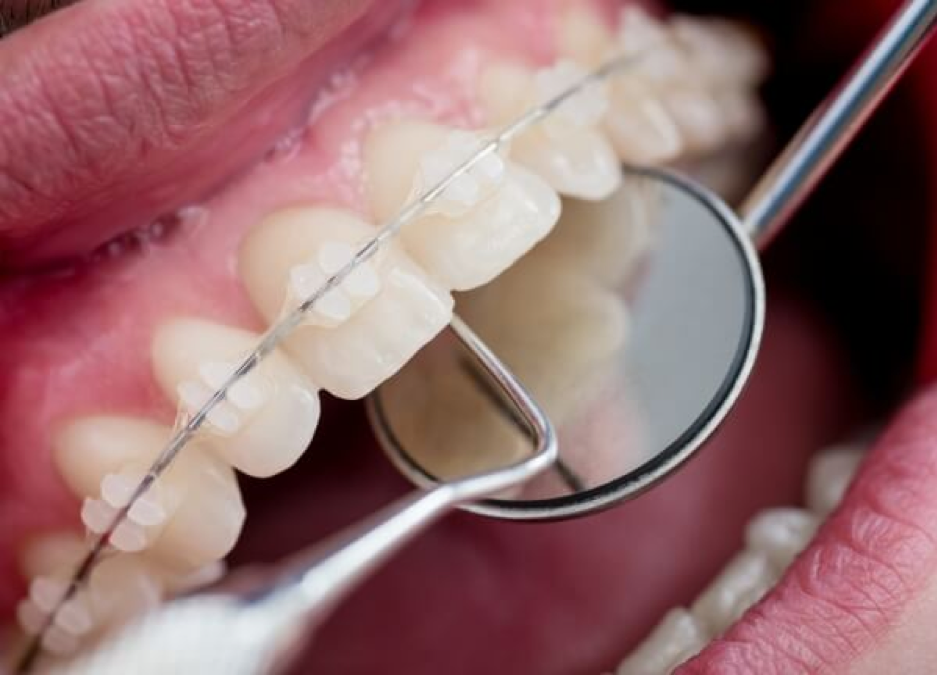
Choose a reputable orthodontic center with skilled and gentle orthodontists to minimize discomfort during treatment.
Multi-system proficiency is a core strength of the orthodontic team. Clinicians are trained and experienced across metal braces, ceramic braces, and Invisalign — which allows the system to be matched to case complexity, lifestyle preferences, and aesthetic priorities rather than to equipment availability. The team also handles both adolescent and adult orthodontics, including retreatment cases where previous orthodontic work did not achieve stable results.
Care is delivered under AACI accreditation with a score of 95.33 out of 100 — the first AACI-accredited dental system in Vietnam — across three locations: Tu Xuong, Huynh Tinh Cua, and Metropole (Thu Thiem). English-language coordination is provided across all three for international patients.
What to Ask During Your Consultation
Use the consultation to connect the general guidance in this article to your own diagnosis, budget, timeline, and treatment pathway. Useful questions include:
For international or expat patients, also ask whether records can be reviewed before arrival and how much time should be reserved in Ho Chi Minh City for examination, treatment, and follow-up.
- What should I do if a bracket comes loose or a wire pokes my cheek?
- What foods should I eat during the first few days?
- How should I manage soreness after bonding or adjustment visits?
- Which discomfort is normal, and which symptoms should I report?
Frequently Asked Questions
What hurts more — getting braces on or the first adjustment?
Most patients describe the first adjustment as more uncomfortable than the bonding appointment. Bonding involves no active force on teeth — the initial archwire is passive. The first wire activation, at your second appointment, is when sustained tooth movement begins and peak discomfort occurs. Subsequent adjustments are usually progressively milder, especially after the third visit, as the periodontal ligament adapts to the cycle.
Do braces hurt more for adults than for teenagers?
Adults often experience slightly more soreness because adult bone is denser, meaning more sustained pressure is needed to initiate tooth movement. The difference is modest in practice, and pain-management strategies are equally effective for both age groups. Adults also tend to be more tolerant of the discomfort once they understand the biological reason for it.
When do braces completely stop hurting day-to-day?
The constant awareness of braces — the feeling of something foreign in the mouth — usually fades within 2 to 3 weeks of bonding. After that, soreness lasts just 1 to 3 days after each monthly adjustment. By mid-treatment, most patients describe the adjustment soreness as a brief inconvenience rather than something that interferes with daily life.
Can I take pain medication throughout treatment?
Occasional pain medication around adjustment appointments may be appropriate for some patients, but the type and dose should be guided by the dentist or physician. Daily use over many weeks should be discussed with a physician, especially for patients with stomach, kidney, liver, bleeding, pregnancy, allergy, or medication-interaction concerns.
Conclusion
Braces hurt, but the pain is mild, time-limited, and predictable — and it is also the direct evidence that treatment is doing what it was designed to do. The first three days after bonding are the most uncomfortable, and soreness is largely gone by Day 7. Monthly adjustments produce a milder version of the same response that becomes progressively easier as the cycle repeats.
The choice of bracket system has a smaller effect on pain than most patients expect. The bigger variables are how well the case is diagnosed, how the force is calibrated, and how consistently the patient is monitored across the 12 to 30 months of treatment. Elite Dental Vietnam supports all of those variables under AACI accreditation, with comprehensive diagnostic workup, and multi-system proficiency across metal braces, ceramic braces, and Invisalign systems.
If you are weighing whether to start orthodontic treatment, a 30-minute consultation with the orthodontic team at Elite Dental Vietnam is the most reliable way to set expectations. It covers both the result and the comfort of the road there.
Your Safety at Elite Dental Vietnam
Elite Dental is the first dental system in Vietnam to receive accreditation from the American Accreditation Commission International (AACI). Under AACI Dental Standards Version 2.1, Elite Dental achieved a score of 95.33 out of 100 and continues to hold this accreditation in 2026. You can read more on our AACI accreditation page.
AACI accreditation serves as an independent third-party validation of the quality standards that Elite Dental has consistently maintained through its rigorous clinical and operational practices over many years. The accreditation is valid for one year and is subject to periodic reassessment and renewal.
The accreditation was awarded on September 8, 2025, and officially announced on October 20, 2025. It applies across all three Elite Dental locations: Huynh Tinh Cua, Tu Xuong and Metropole (Thu Thiem).
Consultation Hotline: (+84) 28 7306 3838
Website: elitedental.com.vn
| 📞 If you have questions about the comfort of treatment or want to compare bracket systems for your case, call Elite Dental Vietnam at (+84) 28 7306 3838 to book a consultation. |
|---|
Elite Dental Vietnam — AACI-accredited | (+84) 28 7306 3838 | elitedental.com.vn/en
Tu Xuong · Huynh Tinh Cua · Metropole (Thu Thiem)
References
1. Krishnan V. Orthodontic pain: from causes to management — a review. Eur J Orthod. 2007;29(2):170-179. https://pubmed.ncbi.nlm.nih.gov/17488999/
2. American Association of Orthodontists. Managing Discomfort. https://www.aaoinfo.org/
3. Ngan P, Kess B, Wilson S. Perception of discomfort by patients undergoing orthodontic treatment. Am J Orthod Dentofacial Orthop. 1989;96(1):47-53. https://pubmed.ncbi.nlm.nih.gov/2750720/
4. Cardoso PC, Espinosa DG, Mecenas P, Flores-Mir C, Normando D. Pain level between clear aligners and fixed appliances: a systematic review. Eur J Orthod. 2020;42(4):442-449. https://pubmed.ncbi.nlm.nih.gov/31774114/
Disclaimer: The information in this article is for educational purposes only and does not replace an in-person consultation with a qualified orthodontist. Contact Elite Dental Vietnam for personalized advice.